
How to Maintain Iron Handrails and Railings on Minneapolis-Area Homes With Help From a Handrail Contractor
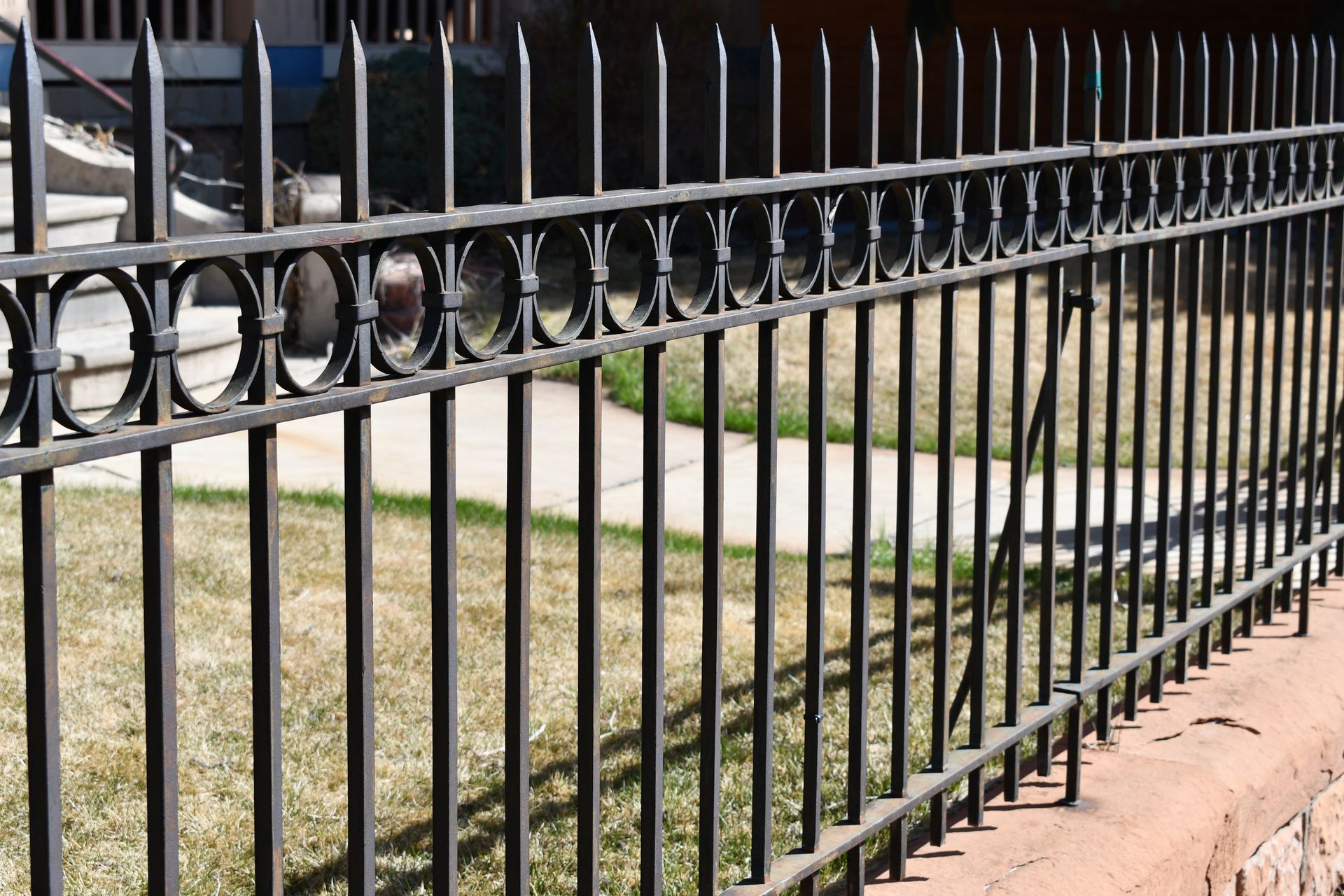
Iron handrails on Minneapolis-area homes face some of the harshest conditions in the country. Minnesota's climate puts iron through a brutal cycle of deep freezes, road salt exposure, spring thaws, and summer humidity. A qualified handrail contractor serving Minneapolis, MN, can help you get ahead of that wear. There is also plenty you can do between professional visits. This guide covers seasonal inspections, rust prevention, finish touch-ups, full refinishing, and when to call a professional.
Why Minneapolis Winters Are So Hard on Iron Handrails
Minnesota has some of the biggest seasonal temperature swings in the country. Freeze-thaw cycles hit hard from November through March. When moisture works into tiny coating defects, it freezes, expands, and pops the finish loose. Once bare metal is exposed, rust can follow within weeks.
Road salt and ice melt products make things worse. Salt speeds up rust, especially at post bases, bottom rails, and spots where salty slush sits. Homes on busy streets in areas like Longfellow, Nokomis, and Northeast Minneapolis may see faster wear from extra road salt. Summer sun also slowly breaks down protective coatings, leaving the metal weaker before the next freeze.
Seasonal Inspection Checklist for Iron Handrails
Spring Inspection (April to May)
1. Wipe down the entire handrail and look for bubbling, flaking, or discolored paint, which can mean rust is forming underneath.
2. Run your hand along the rail and check for rough or pitted spots.
3. Check all anchor points where the handrail meets concrete steps or a deck, since these joints trap moisture and salt in winter.
4. Look for loose bolts or movement when you apply pressure to the rail.
5. Microfiber clothes work well to cut through dirt and not scratch the finish.
Fall Inspection (September to October)
1. Check the finish coat for chips or scratches that opened up over the summer.
2. Confirm all anchor points are tight and secure.
3. Clear debris from around post bases so moisture does not sit against the metal through winter.
Rust Prevention in Freeze-Thaw Conditions
Preventing rust is easier than removing it. A handrail contractor can assess your railing's coating condition before the freeze season begins and recommend the right products for your situation. Here are the most practical steps Minneapolis homeowners can take.
▸ Wipe off snow and slush after storms so salty water does not dry on the metal.
▸ Use sand or a salt-free ice melt near iron handrails, since salt speeds up rust.
▸ Address chips or scratches in the paint immediately with a rust-inhibiting touch-up paint to prevent bare metal exposure.
Touch-Up vs. Full Refinish: Knowing the Difference
Touch-Up Is Usually Appropriate When:
▸ There are isolated chips or scratches with no rust underneath.
▸ Less than 20 percent of the surface shows coating wear.
▸ The metal beneath any damaged area is still smooth and clean.
Full Refinish Is Likely Needed When:
▸ Rust has spread across multiple areas or penetrated deeper into the metal.
▸ Paint is bubbling, peeling, or flaking in large sections.
▸ The railing has a dull, chalky appearance across most of its surface.
▸ The handrail is more than 10 to 15 years old with no prior refinishing.
For a touch-up, sand the affected spot lightly, clean the area, apply a rust-inhibiting primer, and finish with a matching topcoat. For a full refinish, the entire railing typically needs to be stripped, prepped, primed, and repainted or powder-coated. An experienced professional can help you decide which option fits your railing best.
How Often Should Iron Handrails Be Refinished in Minnesota?
Most iron handrails in the Minneapolis area need a full refinish every 12 to 15 years. The timing depends on the finish quality and how much salt, moisture, and sun the rail gets. Consulting a handrail contractor before scheduling refinishing work can help you pick the right finish for your home. Handrails on north-facing entryways that hold snow longer may need attention sooner.
When to Call a Professional vs. DIY
Homeowners can handle routine cleaning and small touch-up painting on their own. Some situations, however, call for professional help.
▸ If rust has formed at an anchor point or base plate, an expert can check whether the rail is still firmly attached.
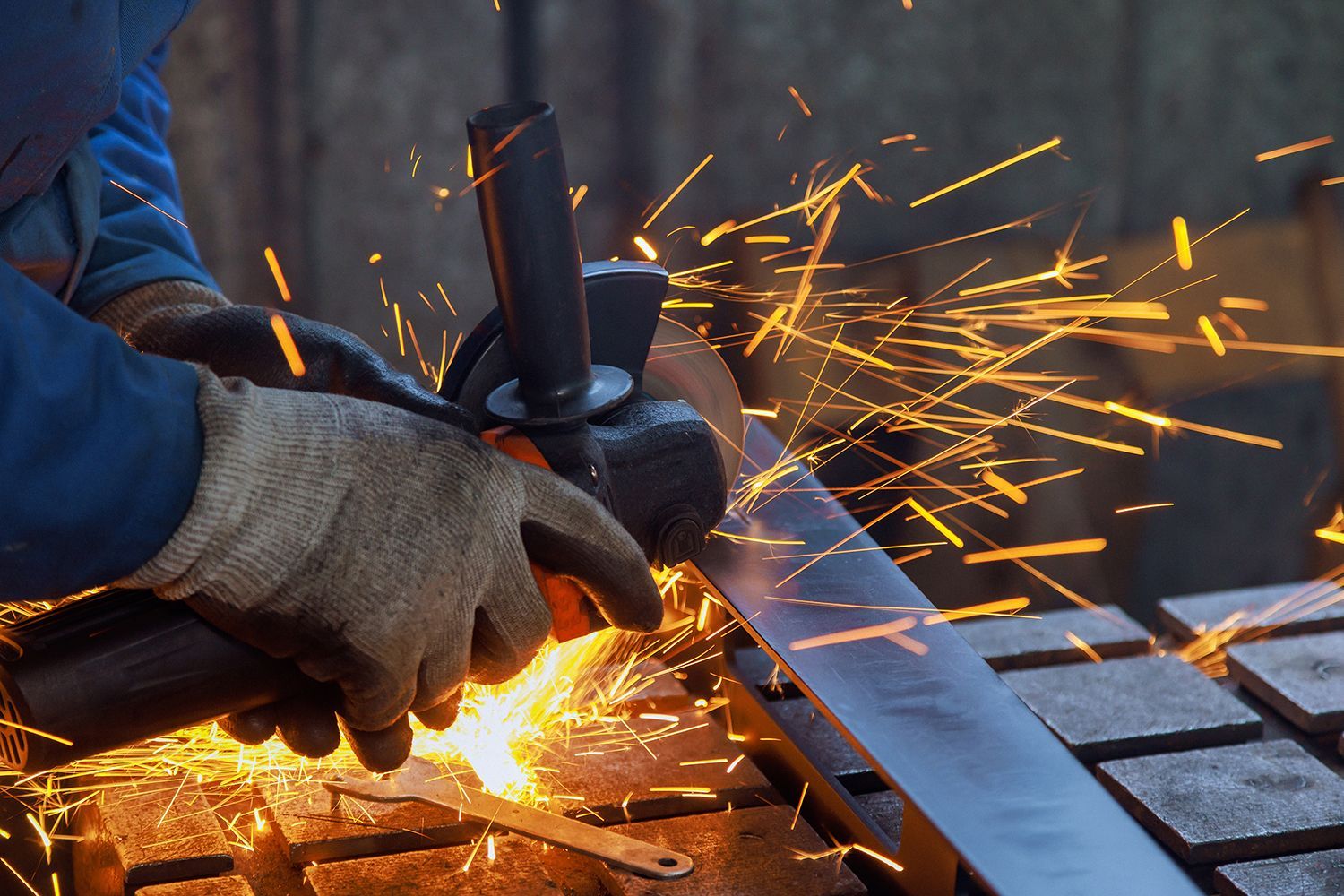
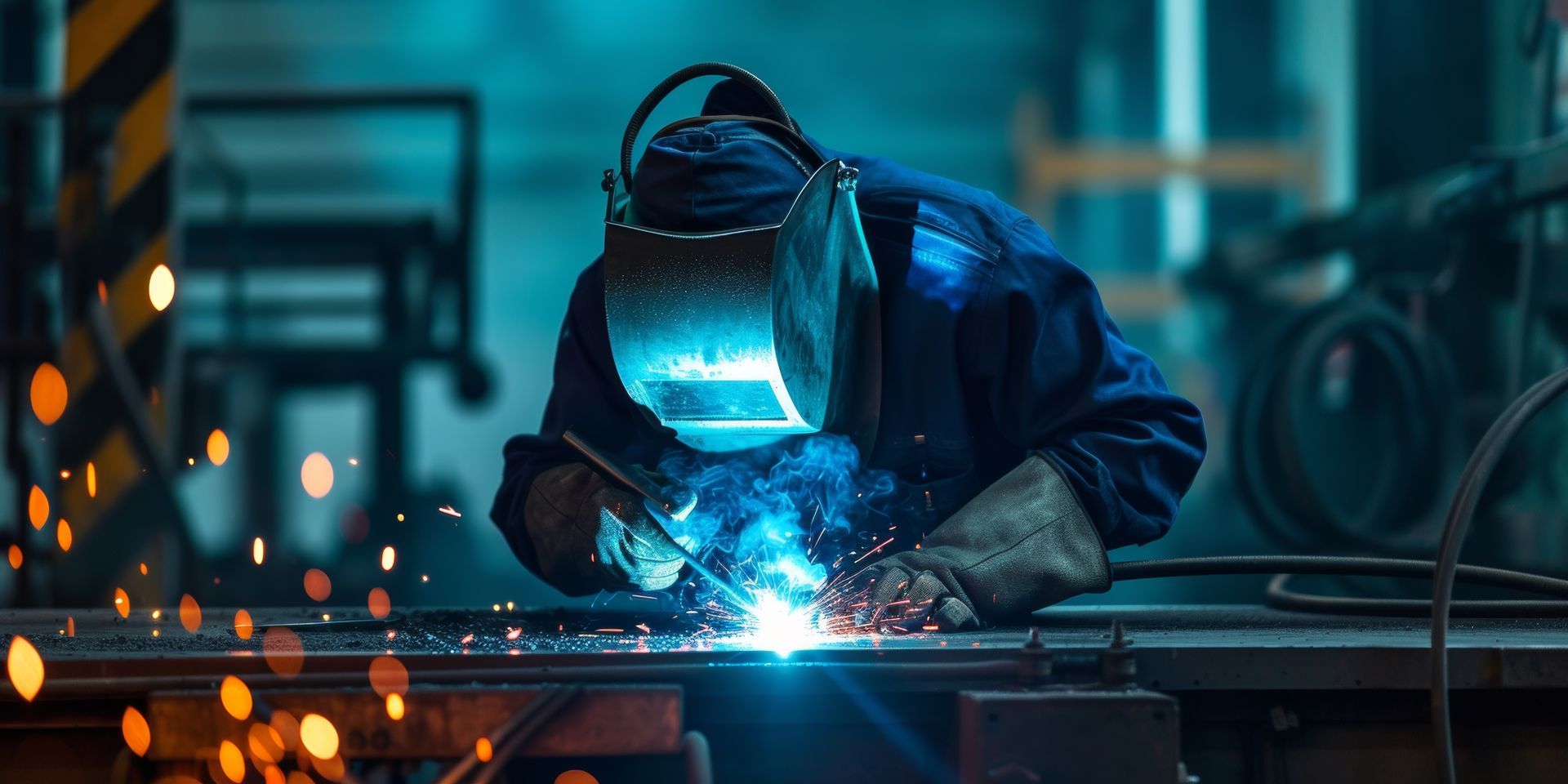
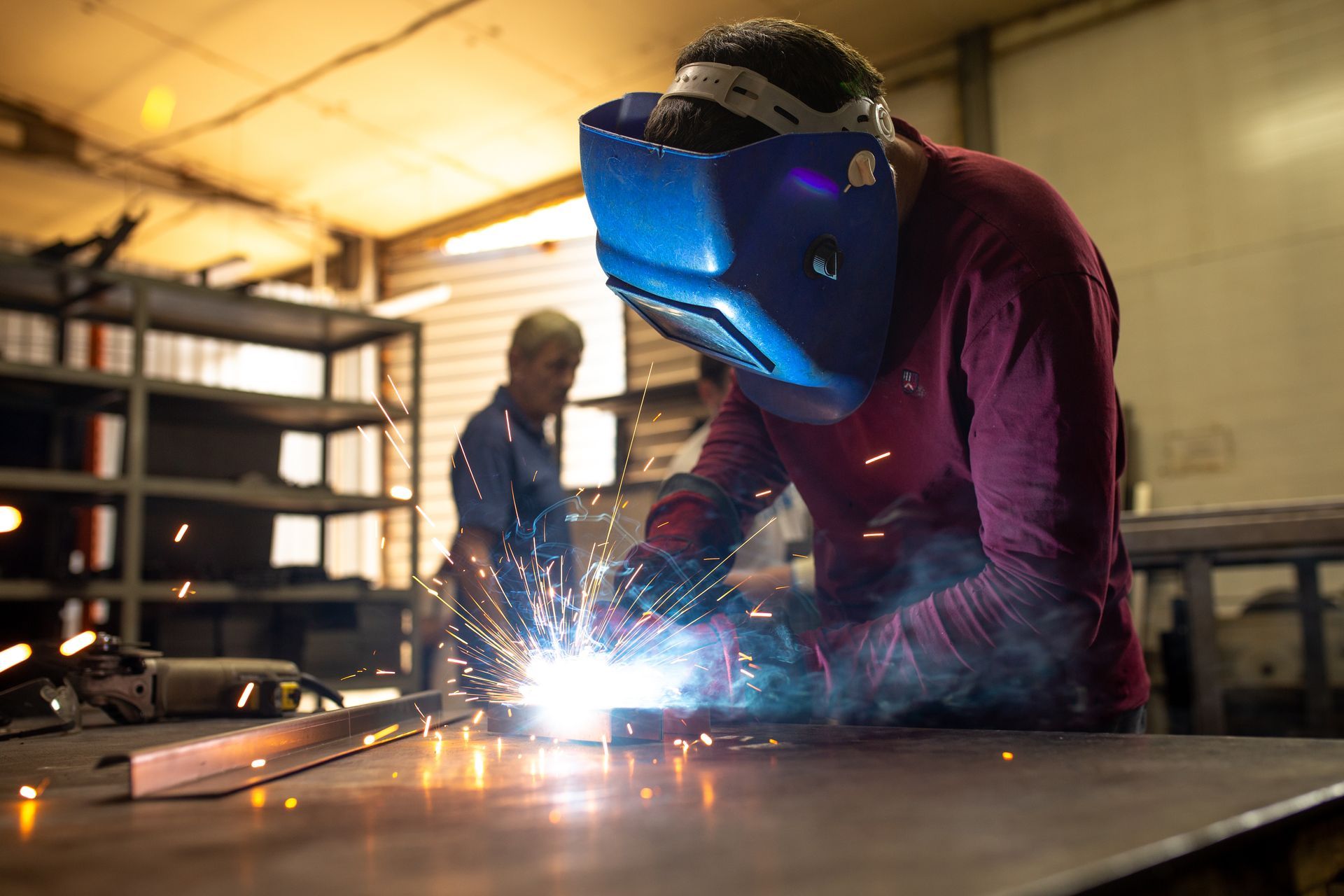
▸ If the handrail wobbles or pulls away from the mounting surface, it may need to be re-welded or re-anchored, which requires professional tools.
▸ If a full strip-and-refinish is needed, a professional can apply a powder coat finish that lasts longer than brush-on paint.
▸ If the handrail is damaged or bent, a custom iron fabricator can match the original style and restore it properly.
In Minneapolis, the Minnesota building code requires a handrail on stairs with four or more risers. A railing that fails is a safety and code issue, not just a maintenance problem. If you have any doubts after a long winter, an inspection by a handrail contractor is worth the call.
What Should I Do If My Iron Handrail Is Starting to Rust?
Act quickly. Lightly sand the rusted area with fine-grit sandpaper and wipe off all dust with a dry cloth. Then apply a rust-inhibiting primer and a topcoat.
If rust is caught early, a touch-up may be all that is needed. If rust is allowed to spread, the entire railing may eventually need to be replaced.
Reach Out to Anchor Iron Company for Expert Help
Anchor Iron Company has been serving Minneapolis-area homeowners with custom iron railings, fabrication, and restoration for over 70 years. Whether you need a professional inspection, a touch-up, a full refinish, or a new installation, the team can help. A trusted handrail contractor on your side means you have expert guidance at every stage of the process.
Explore their
interior and exterior iron railing services or
get in touch directly to discuss your project. Call
(952) 445-3030 to schedule a consultation. You can also find and review their work on
Anchor Iron Company on Google.