
Iron Fabrication Works for Historic St. Paul Homes: Matching Craftsman and Tudor Revival Architecture in 2026
St. Paul's historic neighborhoods are home to some of the most architecturally distinctive residential streetscapes in the Midwest, and iron fabrication works play a meaningful role in keeping those homes authentic. Homeowners in Cathedral Hill, Summit Hill, and Mac-Groveland face a real challenge: how do you add or replace ironwork on a hundred-year-old Craftsman bungalow or Tudor Revival home without making it look out of place? This article covers what makes each style unique, how to identify the right iron design elements, and what finish and structural choices help period-appropriate ironwork hold up to Minnesota winters.
Why St. Paul's Historic Neighborhoods Demand a Careful Iron Approach
Mac-Groveland's housing stock leans 1915 to 1930, with Craftsman bungalows, American Foursquares, and Tudor Revival homes creating a varied streetscape. Summit Hill is considered one of the finest preserved enclaves of Victorian-era houses in the country. Because these neighborhoods retain so much original character, new ironwork that does not match the architectural period can look jarring. Custom iron fabrication works serving St. Paul, MN, must account for the specific visual language of each style before a single piece of metal is cut.
How Do You Identify the Right Ironwork Style for Your Home?
Matching ironwork to architecture starts with reading your home's design cues. Craftsman (1905-1930) and Tudor Revival (1890-1940) were popular around the same period, and both styles favor honest materials and visible craftsmanship over decorative excess.
Craftsman Bungalows: Horizontal Lines and Simple Forms
Craftsman homes are defined by restraint. Ironwork for these homes should follow that same logic. Simple square balusters, straight horizontal rails, and minimal scroll detail complement Craftsman bungalows far better than ornate, heavily curved designs.
Porch railings are one of the most common iron fabrication requests on Craftsman homes. Low-profile designs with clean lines and a matte black or dark oil-rubbed finish blend naturally with painted wood trim and exposed rafter tails. Avoid oversized newel post caps or heavily decorative top rails, which can overpower the home's modest proportions.
Tudor Revival Homes: Arched Entries and Medieval Character
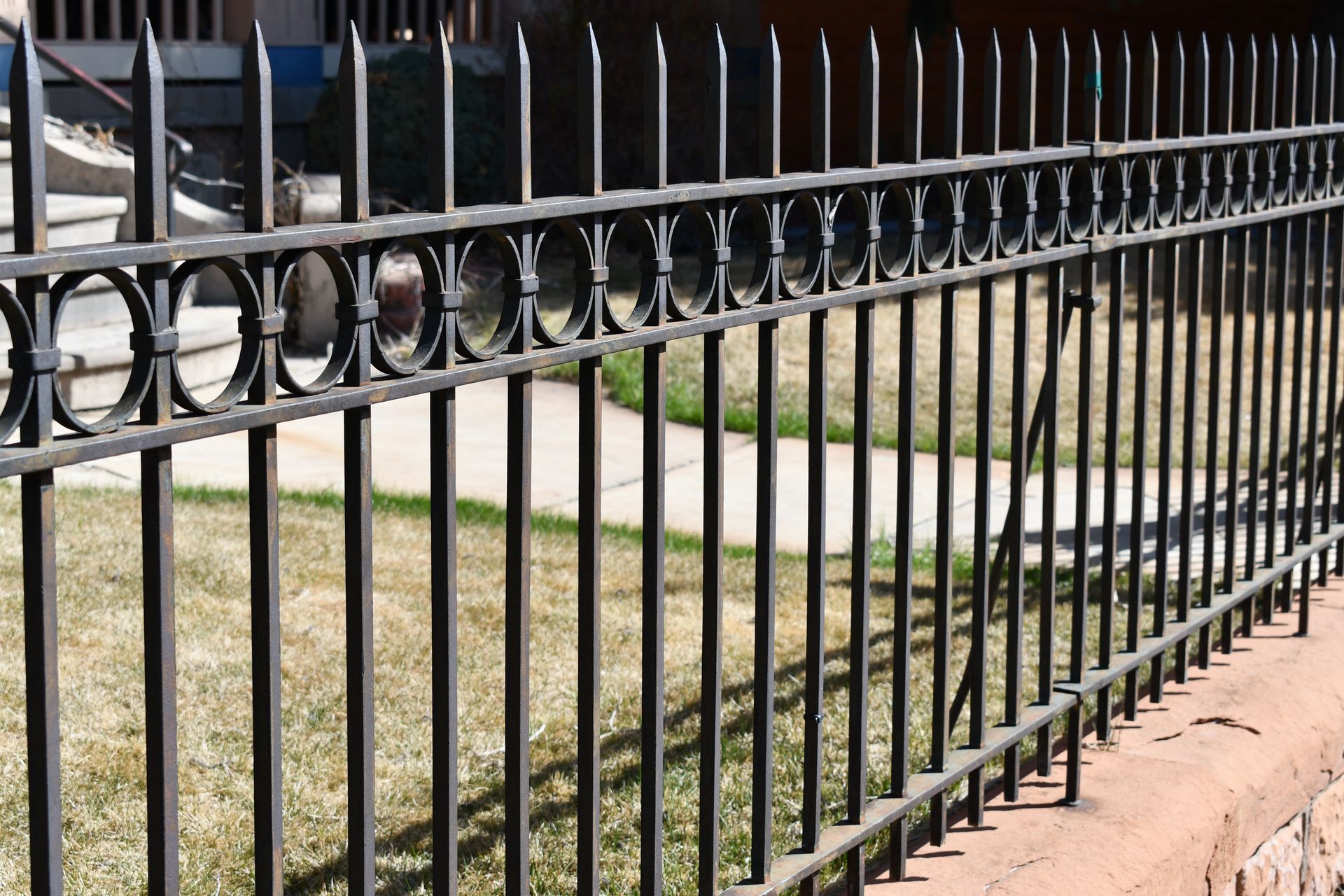
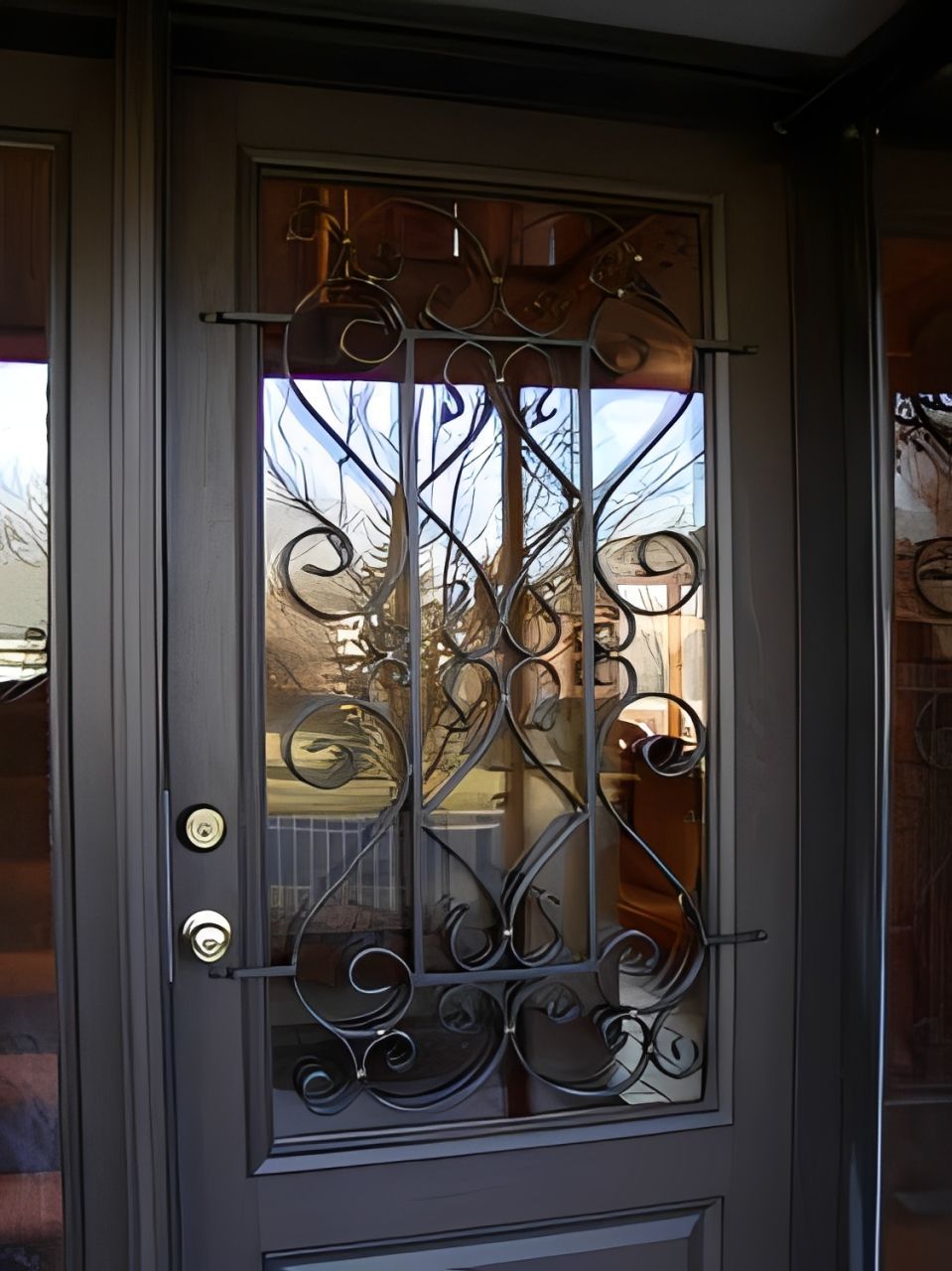
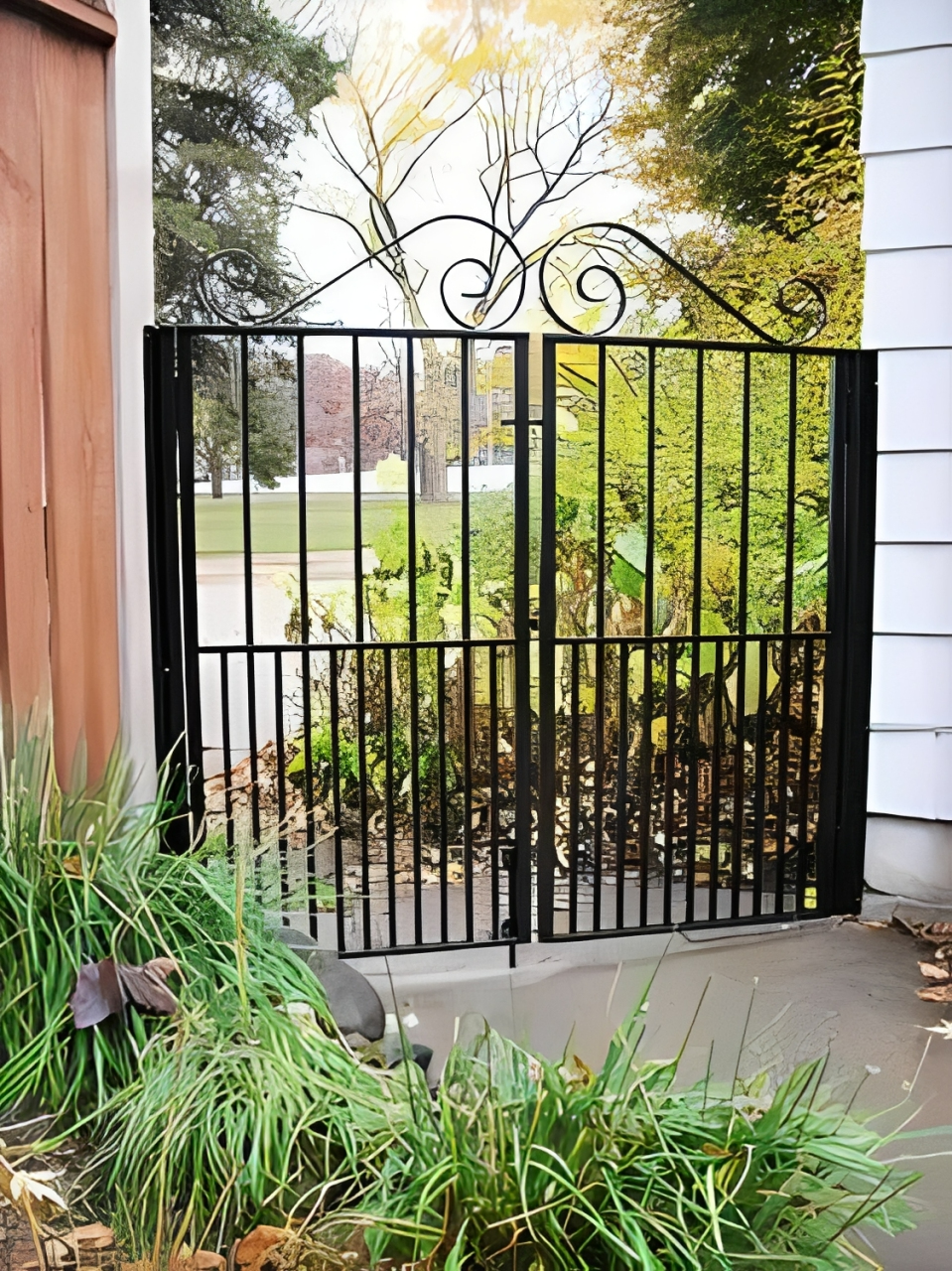
Tudor Revival homes call for a different vocabulary. Known for steep cross gables, decorative half-timbering, and arched front doorways, these homes can carry ironwork with more visual weight and decorative detail. Arched iron gates that echo the front door profile are a natural fit. Scrollwork, fleur-de-lis finials, and pointed arch motifs reinforce the medieval character without looking excessive. Tudor Revival homes are common along Summit Avenue and Mississippi River Boulevard, providing a well-established visual context for planning a project.
Period-Appropriate Finish Choices for St. Paul Winters
Minnesota's climate adds a practical layer to every finish decision. Freeze-thaw cycles, road salt, and moisture swings can degrade ironwork finishes over time. Flat or satin black finishes remain the most period-appropriate choice for both styles. A quality powder coat over properly prepared iron offers strong corrosion resistance while producing the deep matte tones that suit early 20th-century architecture. For Tudor Revival homes where a more aged appearance is desired, a hand-applied finish can suggest the patina of original period ironwork.
Avoid bright chrome, brushed stainless, or high-gloss finishes on either style. These surfaces read as contemporary and clash with brick, stucco, and dark-stained wood trim common on pre-1940 homes.
Balancing Historic Character With Modern Safety Requirements
Balcony and stair railings on older St. Paul homes may need height adjustments or tighter baluster spacing to meet current Minnesota residential building code, even when the homeowner wants to preserve an original look. This is a common challenge on Cathedral Hill properties, where many homes sit on elevated lots with prominent front stoops.
Custom iron fabrication works can address both needs at once. A railing can meet modern height and spacing requirements while still using period-correct profiles, finishes, and proportions. Homeowners in designated historic districts should also check with the City of St. Paul's Heritage Preservation Commission before making exterior ironwork changes.
Common Iron Fabrication Projects on St. Paul Historic Homes
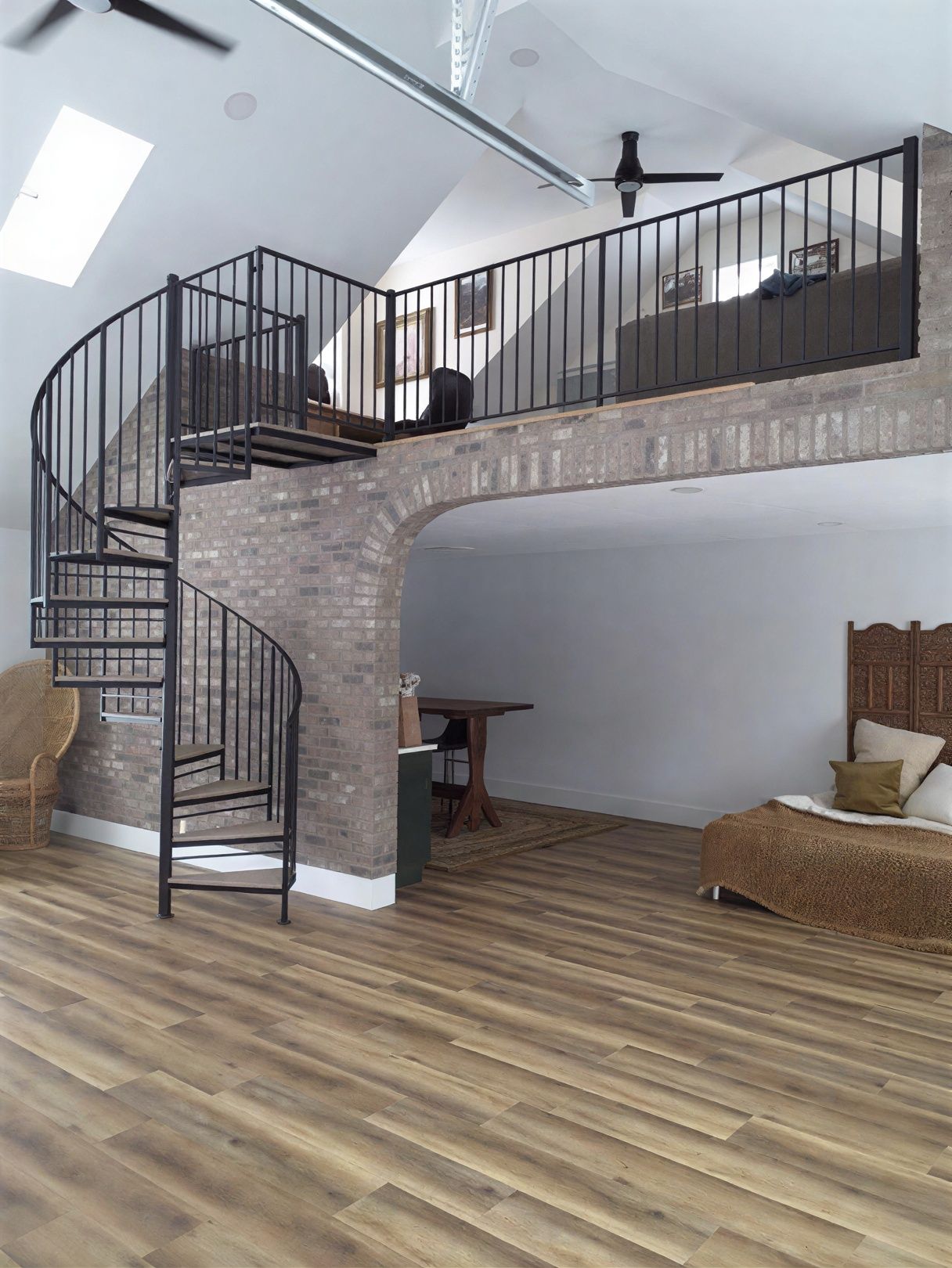
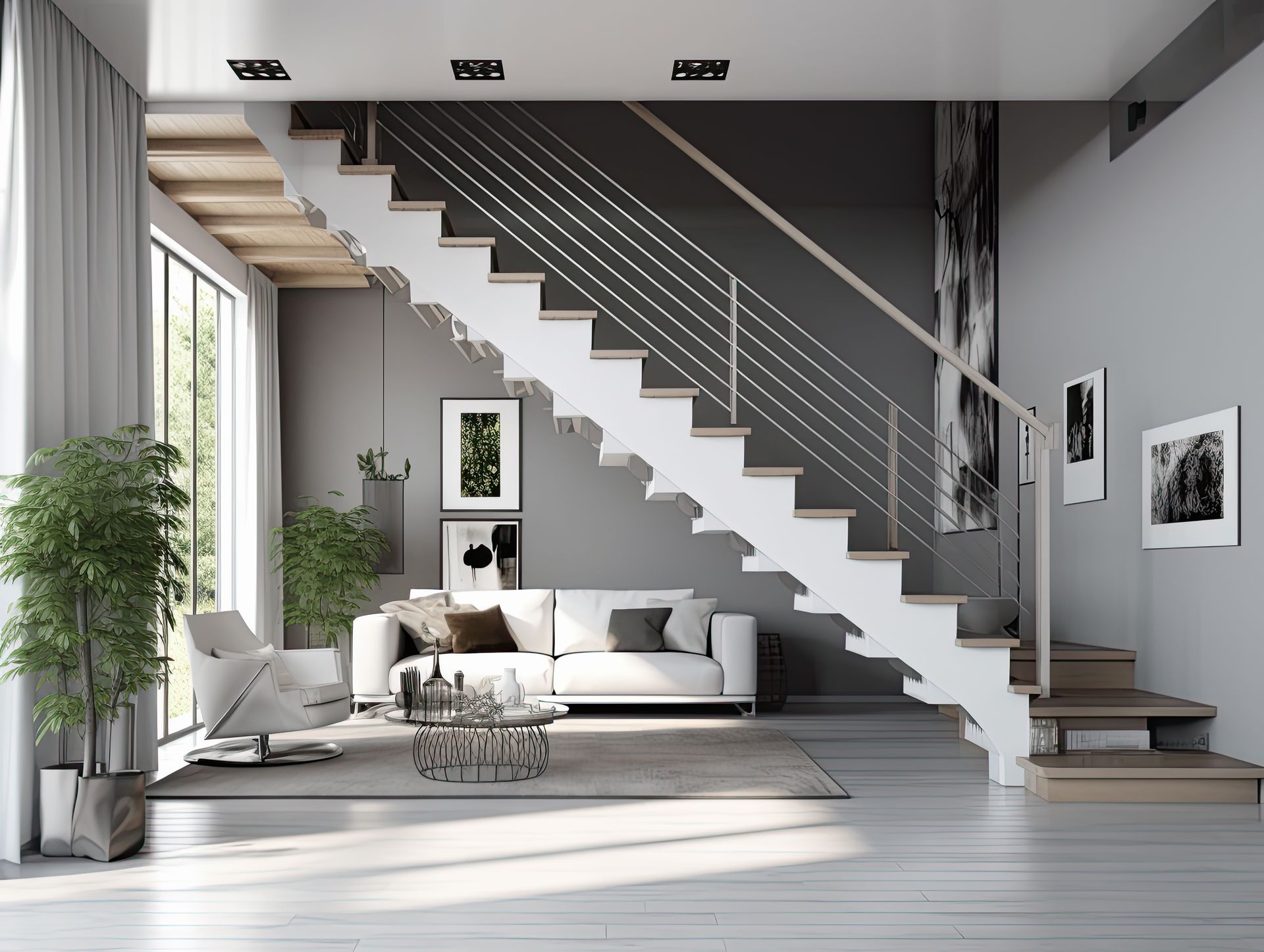
The most frequently requested iron fabrication works on historic St. Paul homes include front stoop and entry step railings that meet code while matching original proportions, porch railings on Craftsman bungalows in Mac-Groveland that complement low-profile horizontal architecture, arched entry gates and iron fences on Tudor Revival properties along Summit Avenue, interior staircase railings that carry period detail into the home's entry hall, and window guards with period-appropriate scrollwork that add security without altering the facade.
Does Custom Ironwork Require a Permit in St. Paul?
Some exterior ironwork projects may require a building permit, particularly if the work involves structurally altered railings on elevated decks or balconies. Projects in designated historic districts may also need Heritage Preservation Commission review. Confirm permit requirements with the City of St. Paul before installation begins.
How Long Does a Custom Iron Fabrication Project Take?
Most residential projects run two to four months from consultation through installation. Planning ahead is especially useful for homeowners who want work completed before spring, when demand is highest across the Twin Cities.
Can Existing Ironwork Be Restored Instead of Replaced?
Restoration is often viable for historic St. Paul homes where original ironwork is still structurally sound. Refinishing, repainting, and repairing existing iron pieces can preserve original character while bringing the metalwork back to a safe condition. A professional assessment can help determine whether restoration or replacement makes more practical sense.
Start Your St. Paul Historic Home Iron Project
Anchor Iron Co. serves St. Paul, MN, and surrounding Twin Cities neighborhoods with custom iron fabrication works tailored to historic architectural styles. Whether you are planning a new front gate for a Tudor Revival home on Summit Avenue or need period-appropriate porch railings for a Craftsman bungalow in Mac-Groveland, the team can help you find the right design, finish, and profile.
Explore
custom iron fabrication works for St. Paul homes to learn more, or
contact the team to request a free consultation. You can also find
Anchor Iron Co. on Google to read reviews and get directions. Call
(952) 445-3030 to speak with an ironwork specialist today.