

The Role of Commercial Iron Works in Commercial Building Safety and Compliance
July 8, 2026
Iron fabrication plays a direct role in commercial building safety, and understanding how it ties into compliance standards can help facility owners and contractors make better decisions. When we talk about Commercial Iron Works for commercial properties, we're referring to the structural and protective metal components that keep people safe every day. From stairway systems to protective barriers, the quality of Commercial Iron Works has a measurable impact on how well a building performs in normal use and during emergencies.
Why Structural Integrity Starts with Professional Iron Fabrication
Professionally fabricated iron components are a foundational part of building safety. Commercial structures in Minneapolis, MN, see significant seasonal stress. Freeze-thaw cycles, heavy snow loads, and temperature swings can put ironwork through extreme conditions year-round. Properly fabricated iron railings, stair systems, and access structures can handle these stresses without compromising safety. When fabrication is rushed or cut short, components may weaken over time, creating hazards that are not always visible during routine inspections.
Iron fabrication done to specification also directly supports structural load requirements. Stair railings, for example, must meet minimum load-bearing standards to be compliant. A well-fabricated handrail needs to withstand lateral and downward forces without flexing or failing. This is not just a code requirement; it is a practical line of defense when someone loses their footing on a busy staircase.
How Does Iron Fabrication Support Building Code Compliance?
Code compliance in commercial buildings depends heavily on the materials and methods used during fabrication. Commercial Iron Works, Minneapolis, MN, projects must align with standards outlined by the International Building Code (IBC) and local Minneapolis amendments. These codes address several key areas where ironwork plays a direct role. Here are the primary compliance categories where fabricated iron components are typically required:
- Guardrail height and spacing standards to prevent falls from elevated platforms.
- Handrail graspability requirements for stair and ramp systems.
- Load resistance specifications for railings, catwalks, and access platforms.
- Corrosion resistance standards for exterior and exposed iron components.
- Weld quality and finish requirements to ensure structural soundness.
When any of these standards are not met, building owners may face failed inspections, liability exposure, or costly remediation. Working with experienced Commercial Iron Works fabricators who understand commercial code requirements can significantly reduce that risk.
Key Iron Components That Directly Affect Commercial Safety
Commercial Iron Works supports safety across multiple areas of a commercial building. Each component type serves a specific protective function. The following are common commercial iron applications where proper fabrication directly reduces risk:
- Interior and exterior stair railings that guide occupants and prevent falls.
- Mezzanine guardrails that protect workers and visitors near elevated edges.
- Access ladders and platforms for maintenance areas and rooftop equipment.
- Security gates and barriers that control entry and protect restricted zones.
- Window guards on lower-level openings that add a layer of protection without obstructing ventilation.
Each of these components, when fabricated with care and installed correctly, can contribute to a safer environment for occupants, employees, and visitors alike.
The Risk of Using Non-Compliant or Poorly Fabricated Iron
Non-compliant iron components can create serious liability issues for commercial property owners. A railing that fails under load, a guardrail that sits below the required height, or a platform edge without proper barriers can lead to injury and legal exposure. In Minnesota, commercial building inspections will flag these issues, and corrections can be costly if the original work was not done to standard. Investing in quality fabrication upfront is often far less expensive than remediation after a failed inspection or, worse, after an incident occurs.
Finish Quality and Long-Term Safety Performance
A proper finish is not just about appearance. Commercial iron components exposed to the elements require corrosion protection to maintain their structural integrity over time. A multi-layered finishing process that includes surface preparation, primer application, and a durable topcoat can significantly extend the service life of iron components. In a climate like Minneapolis, where road salt, moisture, and temperature fluctuations are constant, surface protection directly affects how long ironwork can remain safe to use without maintenance.
Regular inspections of finished iron components can help identify early signs of corrosion, loose connections, or weld stress before they become safety hazards. Facility managers should include Commercial Iron Works components in their preventive maintenance schedules to stay ahead of potential compliance issues.
Ready to Discuss Your Commercial Iron Project in Minneapolis?
Savage, MN-based Anchor Iron Co. proudly serves Minneapolis and the surrounding commercial properties with custom-fabricated iron solutions that meet safety and compliance standards. Whether your project involves new stair railings, elevated guardrails, access structures, or protective barriers, we bring over 70 years of fabrication experience to every job. Our team works hands-on from design through installation, with no outsourcing, so quality stays consistent at every stage.
To discuss your next commercial project, contact our team
or explore our iron railings and handrails service page
to see what we can build for your facility. Call us today at 952-445-3030
to schedule a consultation.
Find us and read client reviews on Anchor Iron Co.
.
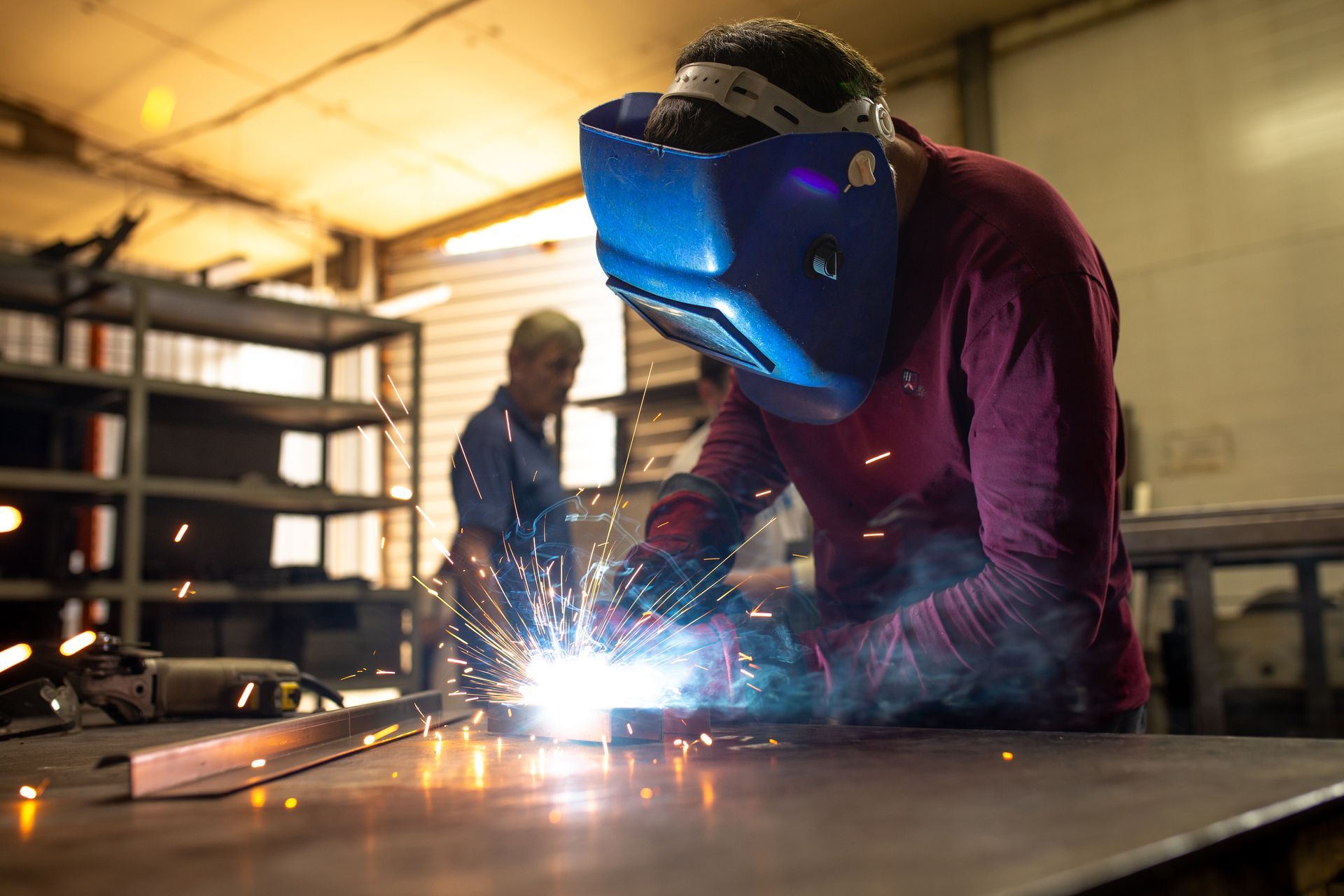
See how custom iron fabrication works support strength & design in Minneapolis, MN. Anchor Iron Co. builds to spec. Call for a free estimate!
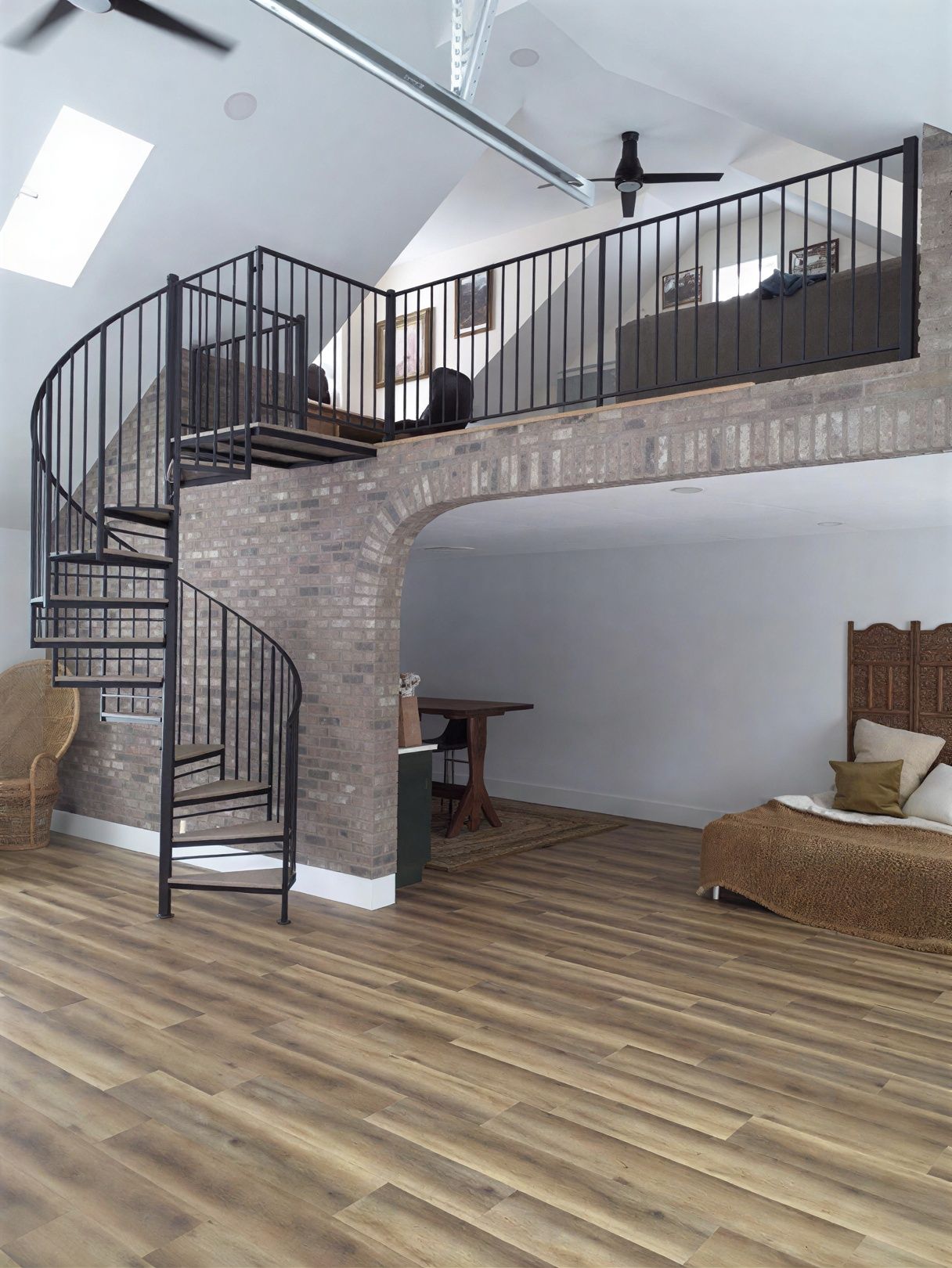
Anchor Iron Company shares expert tips on choosing quality metal iron works and fabrication services for homes and businesses in Minneapolis MN. Read our guide today!
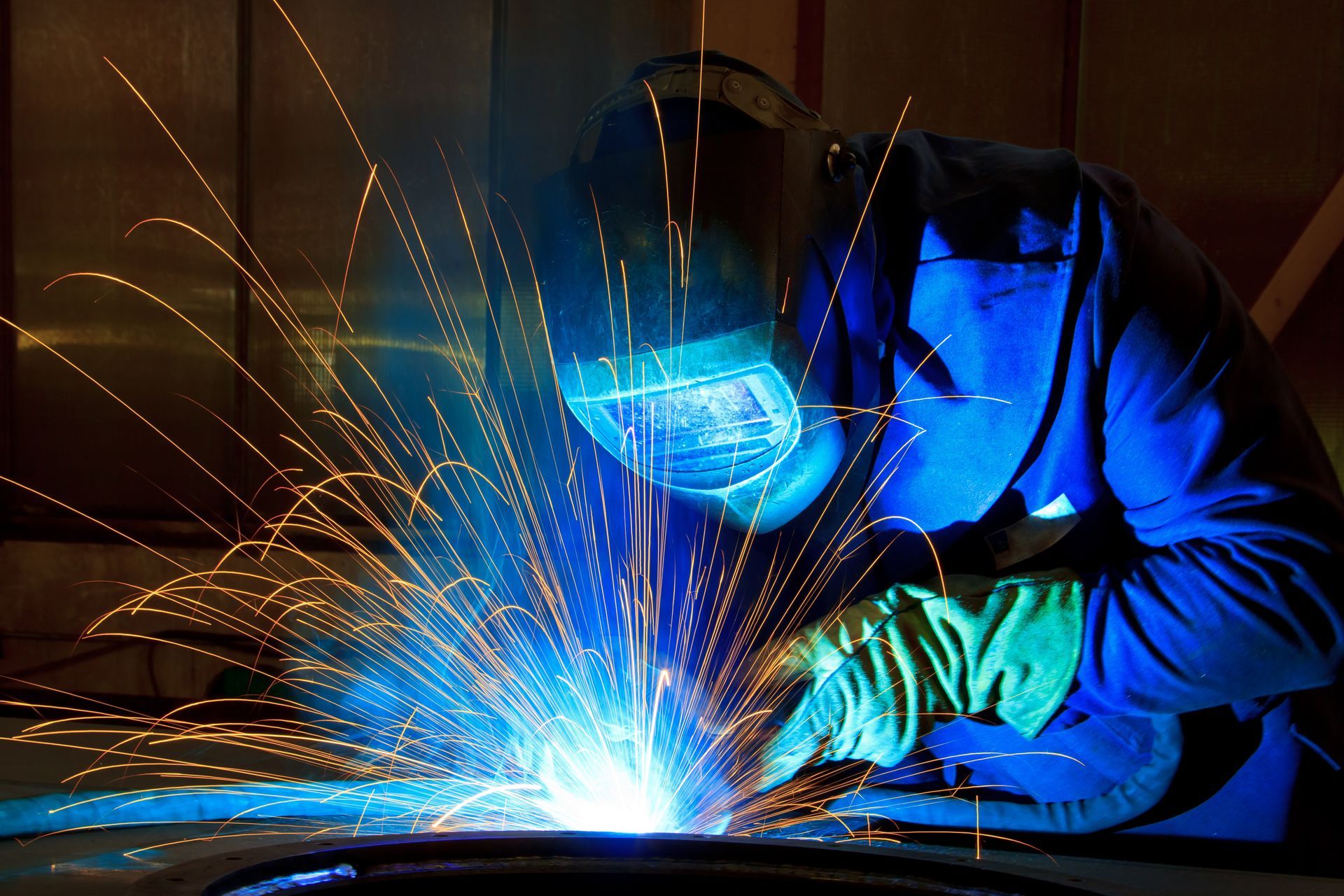
Anchor Iron Company explains how iron works services improve home style, security and property appeal with custom iron railings and fabrication solutions. Learn more today!
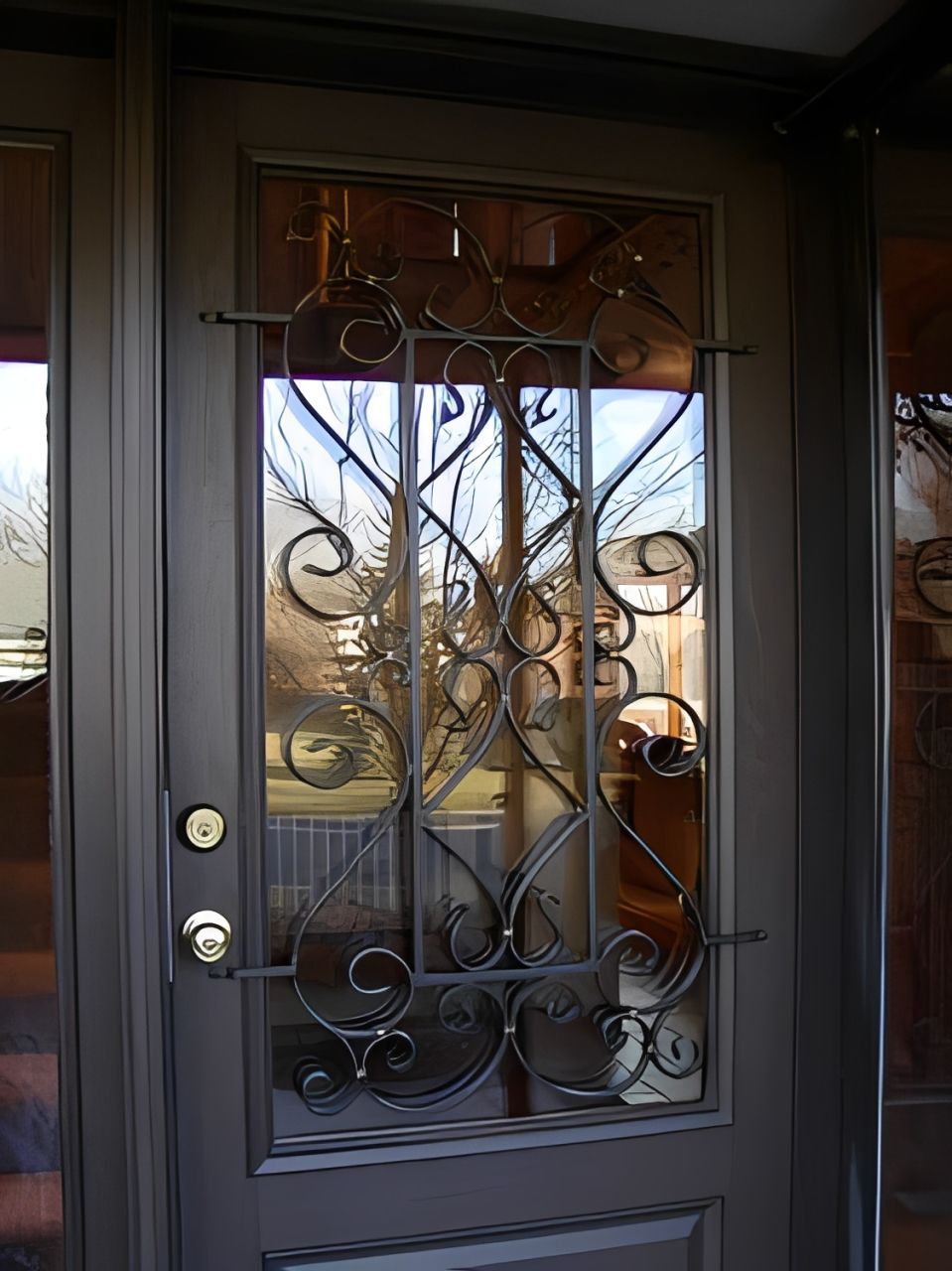
Anchor Iron Company highlights how residential iron works enhance curb appeal, security and home value with custom iron railings and fabrication designs.
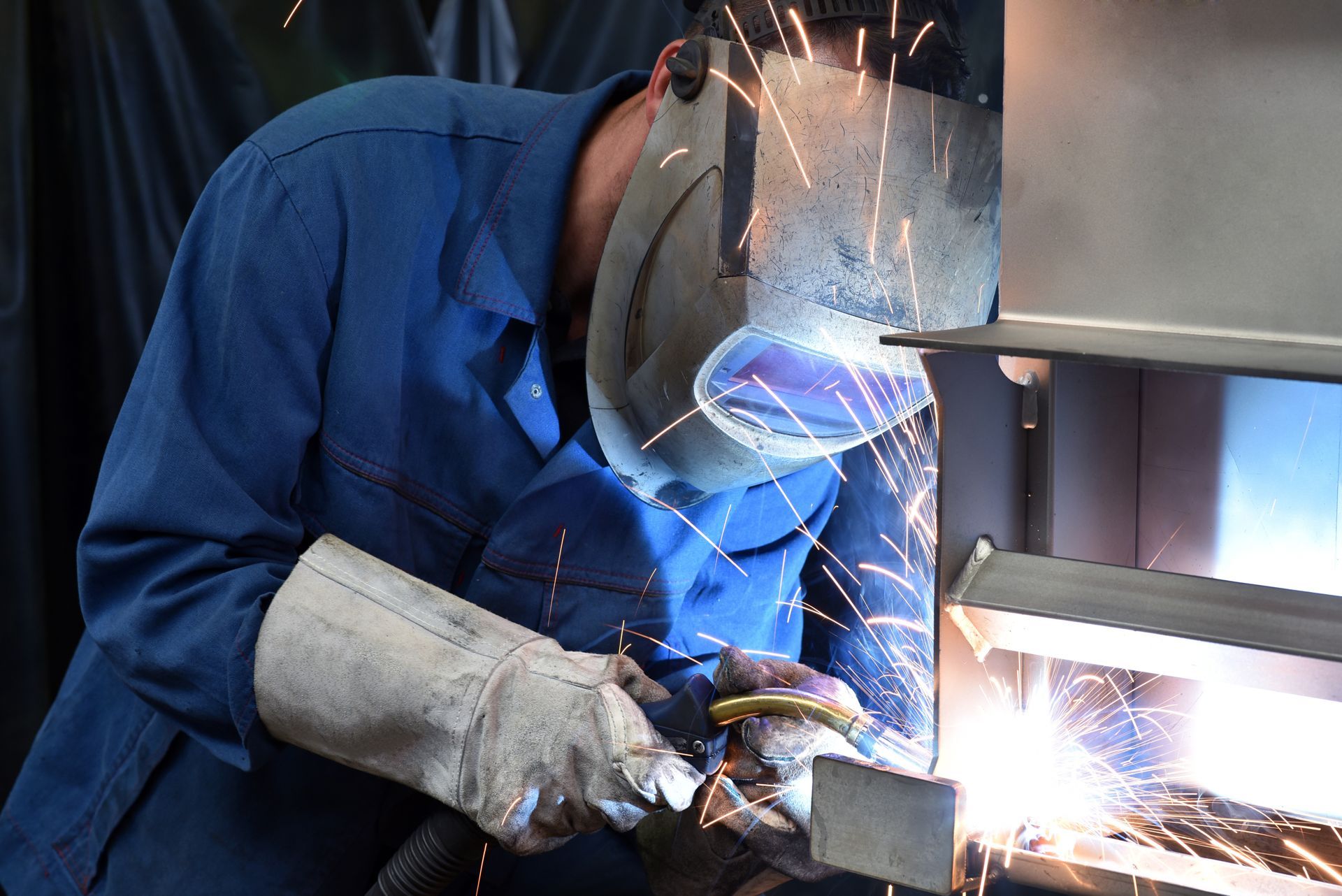
Anchor Iron Company shares helpful insights for choosing a trusted metal ironworks company for custom fabrication and iron railing projects. Read more today!

Anchor Iron Company offers a local guide to planning residential ironworks services including custom railings, fabrication and decorative metal features.
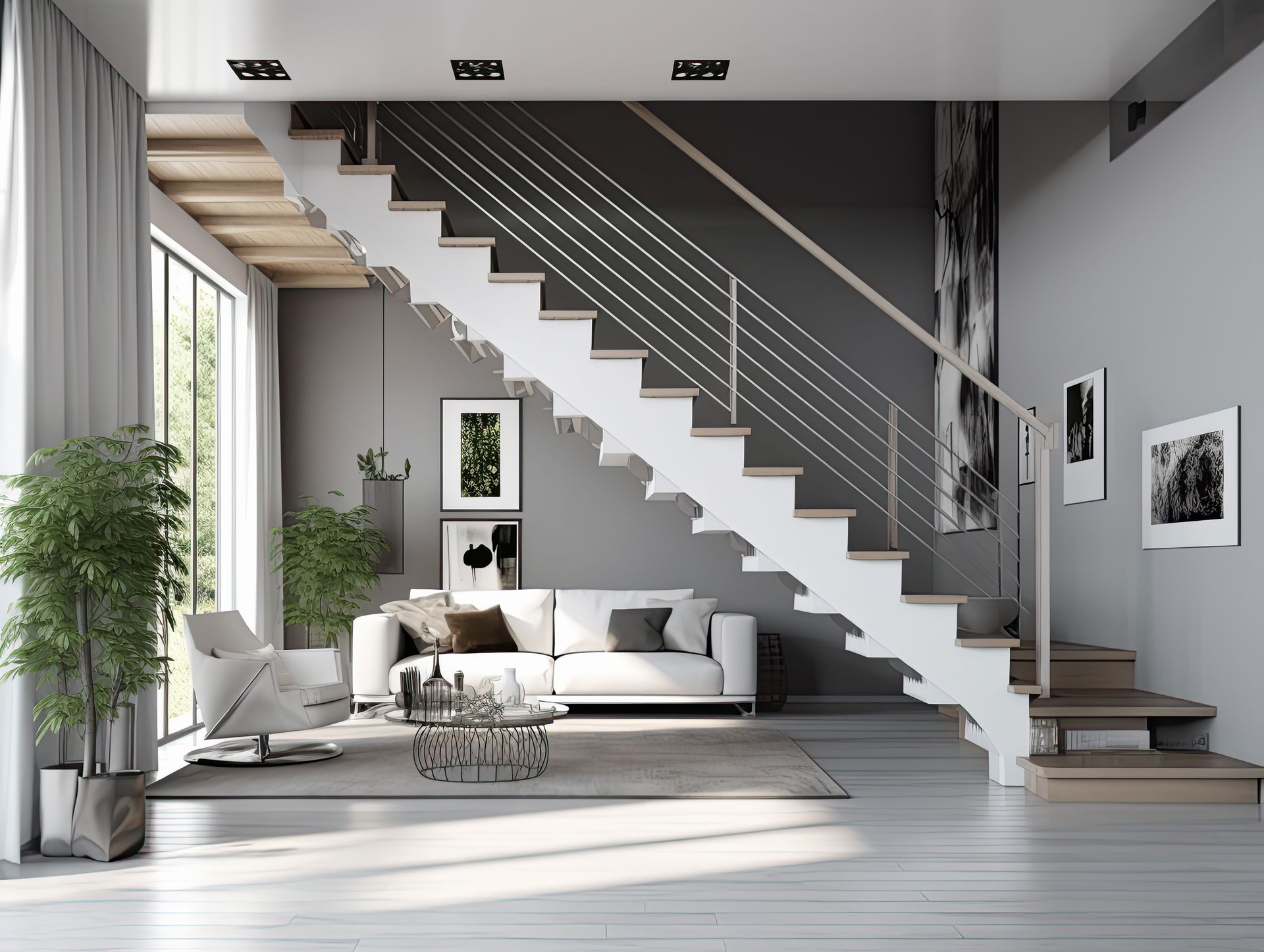
Anchor Iron Company explains how custom metal ironworks improve property design, security and functionality with expert fabrication services. Learn more today!
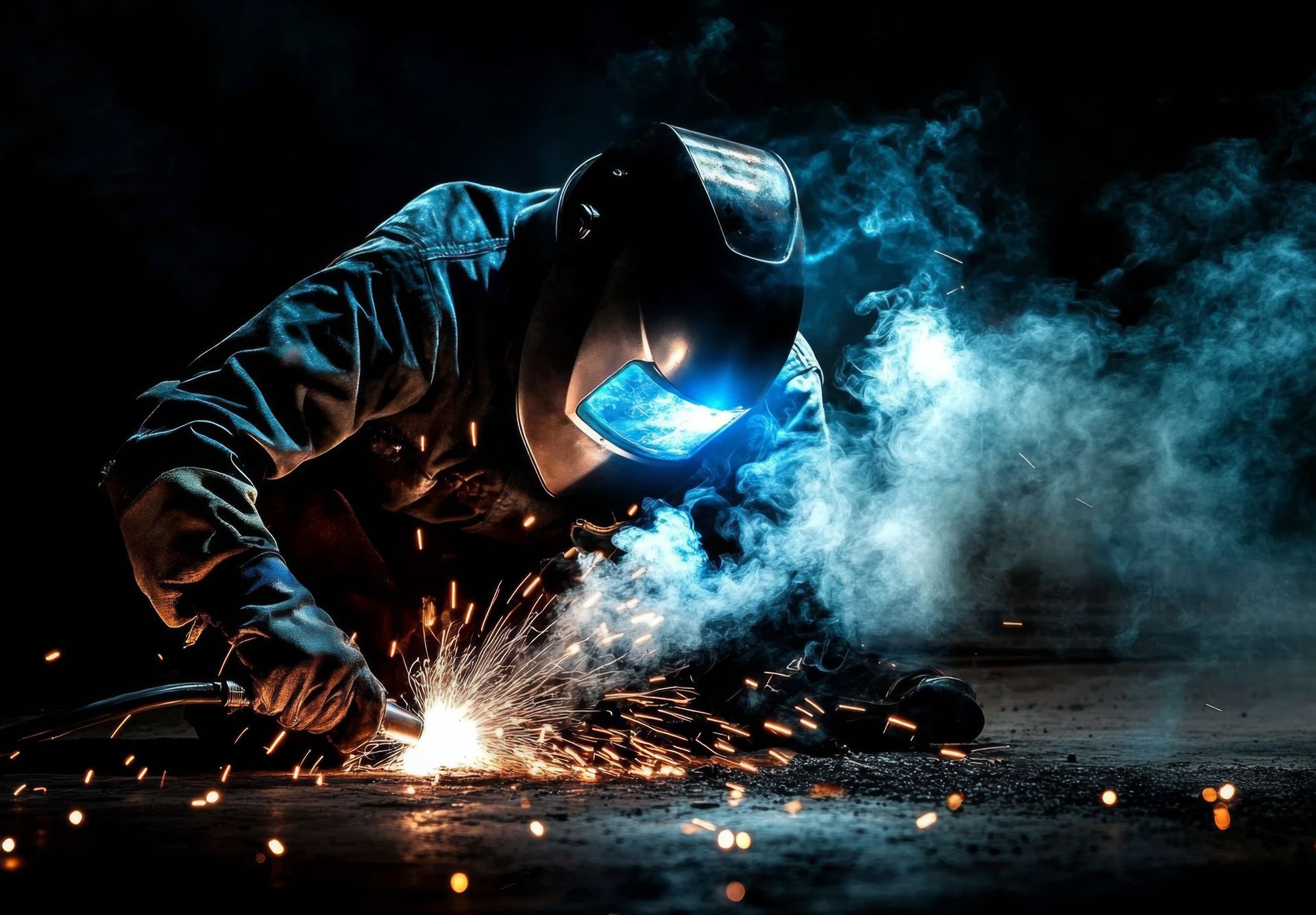
Anchor Iron Company provides timeless iron works ideas for Minneapolis MN homes with custom railings, fabrication and decorative metal solutions. Read more today!
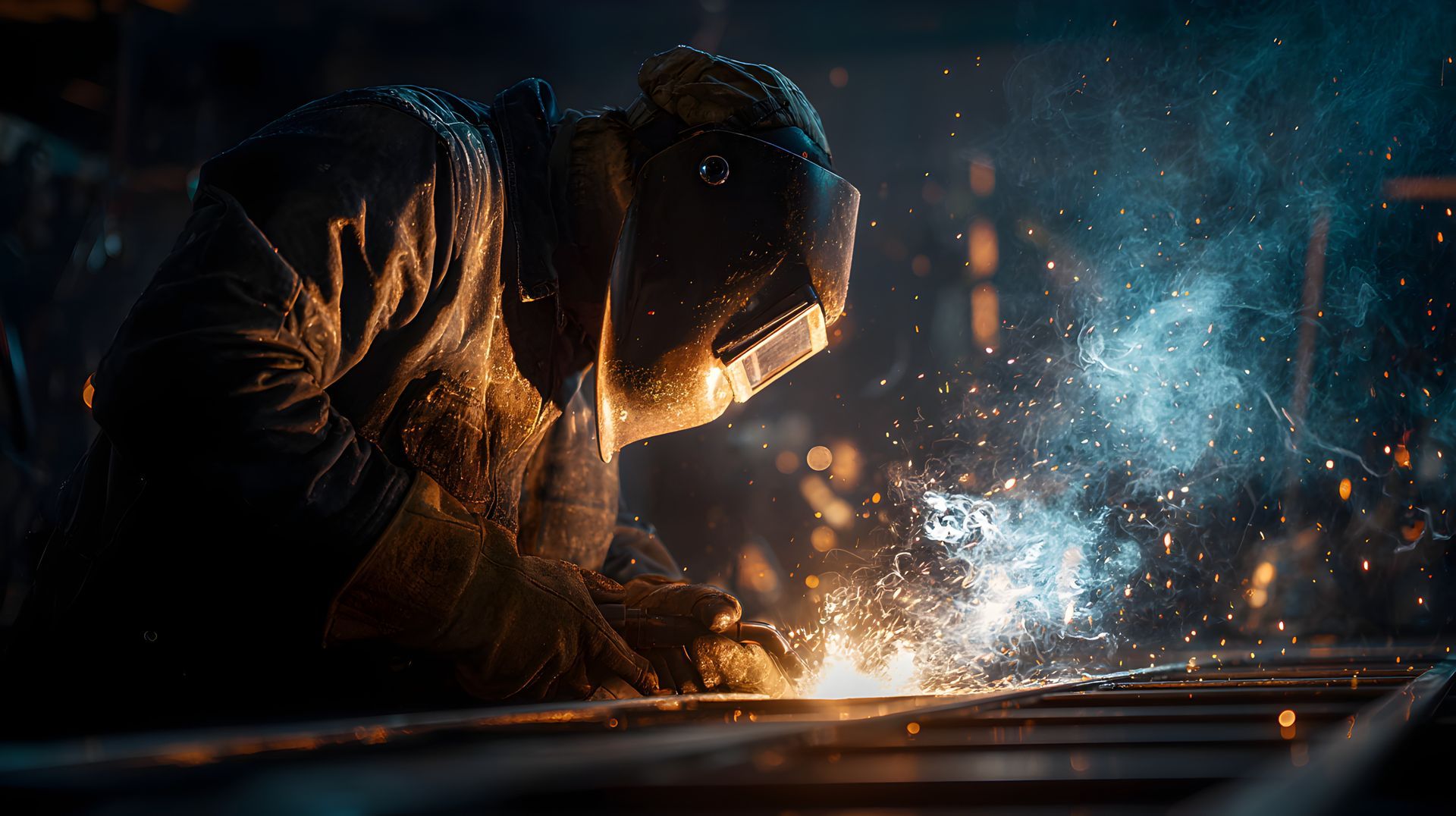
Anchor Iron Company showcases custom ironworks that enhance beauty and security for residential and commercial properties in St Paul MN. Explore design ideas today!

Discover why Anchor Iron Company is Edina, MN’s top choice for residential ironworks. Get a custom solution—call today!